
Physical, Logical & Conceptual Objects#
Librarians, archivists, and information professionals who work in digital preservation often think of digital technologies and digital objects as incorporating three layers: the physical object, the logical object, and the conceptual object. The following definitions are taken from page 35 of UNESCO’s 2003 Guidelines for the Preservation of Digital Heritage
Physical Objects#
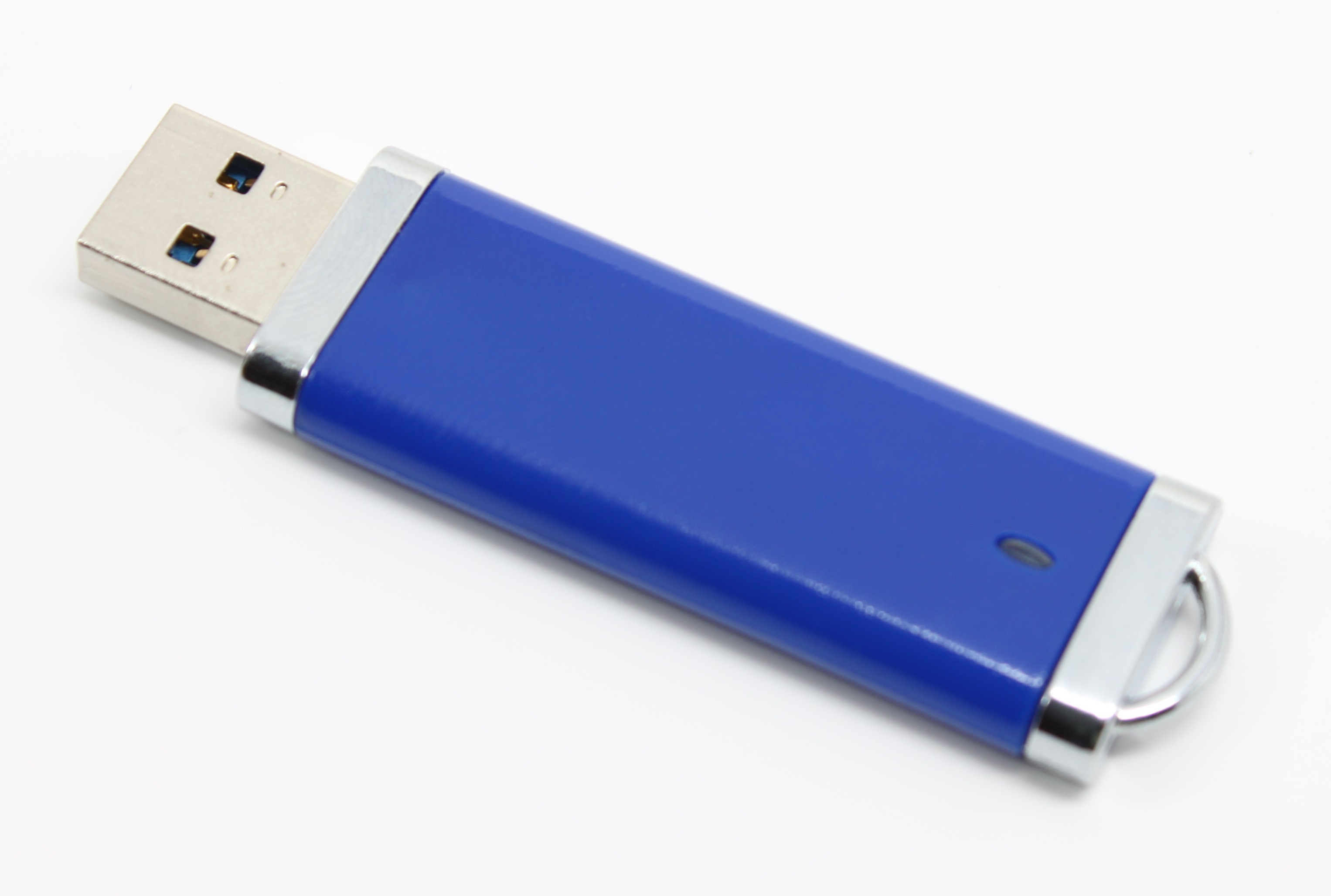
“As physical objects, consisting of ‘inscriptions’ (usually binary states of ‘on-ness’ or ‘off-ness’) on carrier media such as computer disks or tapes. (Despite the impression of that they exist in ‘cyberspace’, even online resources must exist on physical carriers somewhere)”
Logical Objects#
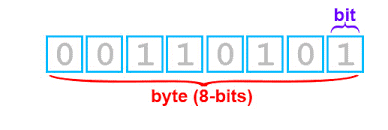
“As logical objects consisting of computer readable code, whose existence at any particular time depends on the physical inscriptions but is not tied to any particular carrier”
Conceptual Objects#

“As conceptual objects that have meaning to humans, unlike the logical or physical objects that encode them at any particular time. (This is recognisable as the performance presented to a user)”
Takeaways#
This chapter explores the relationship between the logical and conceptual object – pieces of data that the computer translates into a visual representations more easily understood by human users.